The most trusted name in greenhouses & supplies • Serving the horticulture industry since 1946!
Greenhouse Manufacturer, Distributor, Importer-Exporter
RSS

Blog

2026 Greenhouse Grower's Playbook: Top Crops & Must-Have Tech

Gothic Arch Greenhouses

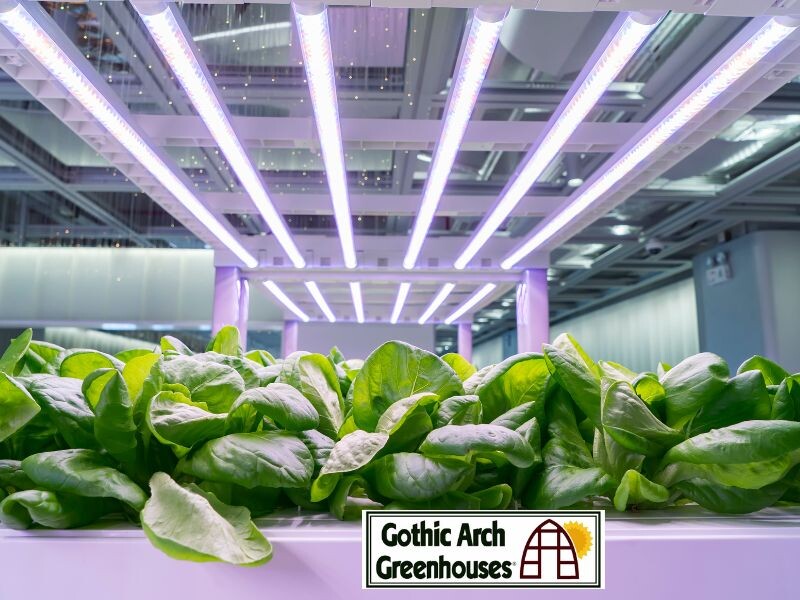
 Interior of a high-tech smart greenhouse in 2026 featuring automated climate controls, IoT sensors, LED grow lights, and healthy green crop

2026 Greenhouse Grower's Playbook: Top Crops & Must-Have Tech


Your strategic guide to pairing next year's most profitable horticultural opportunities with precision-controlled growing environments.

For over 79 years, Gothic Arch Greenhouses has been a trusted name, providing complete greenhouse packages and environmental control systems tailored to commercial, research, and residential growers.

Future-Proof Your Operation

The landscape of horticulture is evolving rapidly. Success in 2026 will depend on aligning your operation with powerful consumer trends—like the demand for local, sustainable, and nutrient-dense produce—and leveraging technology to build climate resilience and maximize efficiency.

This playbook cuts through the noise. We've analyzed the trends to bring you a focused list of high-potential crops for protected cultivation, along with the essential greenhouse technologies that will help you grow them profitably and sustainably.

Core Idea: Profitability is no longer just about yield per square foot. It's about value per square foot, achieved by growing in-demand crops within a controlled environment that optimizes quality, conserves resources, and reduces labor.

Top Crop Picks for 2026 Greenhouses

The following crops align with major trends and offer excellent economic potential for greenhouse cultivation, where climate, pests, and water can be precisely managed.

Very High Value

Specialty Peppers & Hot Peppers

Why It's Hot for 2026: Designated as the National Garden Bureau's 2026 "Year of the" edible crop, this guarantees strong consumer and retailer interest[citation:6]. The culinary quest for unique flavors, heat, and colors (such as purple or chocolate-hued varieties) makes this a high-margin niche.

  • Greenhouse Advantage: Extend the season far beyond outdoor growing, produce blemish-free fruits, and precisely control the stress factors that influence capsaicin levels (heat).
  • Key Tech: Precise nutrient dosing systems and climate controls to manipulate flowering and fruiting stages.
Explore Commercial Greenhouse Solutions
 
High Value | Fast Turn

Gourmet Leafy Greens & Herbs

Why It's Hot for 2026: The foundation of plant-based diets and urban agriculture. Consumers seek variety—red kale, spotted lettuce, proprietary basil blends—and are willing to pay for freshness and unique culinary traits[citation:4][citation:8].

  • Greenhouse Advantage: Enable year-round, multi-cycle production. Protect delicate leaves from weather damage and pests to ensure clean, ready-to-eat quality.
  • Key Tech: Automated hydroponic or aquaponic NFT (Nutrient Film Technique) systems, LED lighting recipes for optimal morphology, and automated harvesting aids.
Learn About Hydroponic Production Setups
 
Premium Niche

Edible Flowers

Why It's Hot for 2026: A rapidly growing niche for upscale restaurants, gourmet grocery stores, and home bakers. Varieties such as nasturtiums, violas, and calendula add color, flavor, and a "wow" factor to dishes [citation:4].

  • Greenhouse Advantage: Absolute necessity for producing pristine, unblemished, and pesticide-free petals. Allows for staggered planting and consistent supply.
  • Key Tech: Advanced pest scouting systems (e.g., sticky traps with cameras), precise humidity control to prevent petal botrytis, and delicate harvesting tools.

Find Precision Climate Control Tools

Other High-Potential Crops to Consider:

  • Gourmet Mushrooms (e.g., Lion's Mane, Oyster): Perfect for controlled indoor environments, offering very high yields per square foot[citation:4].
  • Miniature & Cocktail Varieties: Mini cucumbers, cocktail tomatoes, and dwarf eggplants cater to small households and premium presentation[citation:8].
  • Propagation for "Year of the" Plants: Grow starter plants for other 2026 highlighted crops, such as Azalea (flowering shrub) and Sedum (perennial), to supply garden centers.

Must-Have Greenhouse Technology for 2026

These technologies are transitioning from "nice-to-have" to essential for managing risk, cost, and quality.

Advanced climate-control system inside a commercial greenhouse with automated ventilation, heating panels, and digital monitoring dashboard.

1. Automated Environmental Control Systems

The brain of the modern greenhouse. These integrated systems manage heating, cooling, ventilation, shading, and humidity based on real-time sensor data and preset crop recipes.

  • 2026 Relevance: Critical for energy efficiency (your highest cost) and creating the perfect, consistent climate for high-value crops.
  • Gothic Arch Solution: We provide greenhouses with computer-controlled interface systems for sustainable crop production, enabling precise management.
Explore Control Systems

2. Water-Efficient & Recirculating Irrigation

Advanced drip systems, ebb-and-flow benches, or NFT channels that deliver water and nutrients directly to the root zone, while also capturing and reusing runoff.

  • 2026 Relevance: Conserves a critical resource, reduces fertilizer costs, and prevents disease. Aligns with sustainable branding[citation:1][citation:5].
  • Gothic Arch Solution: Our greenhouse irrigation systems are designed to conserve water.
Learn About Irrigation Systems

3. Supplemental & Spectrum-Tuned LED Lighting

Energy-efficient LEDs that can be tuned to specific light spectra (blue for vegetative growth, red for flowering) and used to extend day length or increase light intensity in winter.

  • 2026 Relevance: Ensures consistent, high-quality production year-round. Increases yield and can manipulate plant characteristics (like compactness or flavor)[citation:8].
  • Application: Essential for winter greens, seedling propagation, and any crop grown in regions with low winter light.
Inquire About Greenhouse Lighting

Ready to Build Your 2026 Growth Plan?

The synergy between the right crop and the right technology is what will define profitable greenhouse operations in the coming year. Whether you're expanding, retrofitting, or starting new, having a partner with decades of expertise in both structures and systems is invaluable.

FAQs About The 2026 Greenhouse Grower’s Playbook

1. What is The 2026 Greenhouse Grower’s Playbook?

It’s a comprehensive guide that outlines strategies for greenhouse success in 2026, covering technology, sustainability, crop planning, and profitability.

2. Who should use this playbook?

Greenhouse growers, agricultural students, horticulturists, and CEA professionals seeking future-ready guidance.

3. What technology trends are most important in 2026?

AI automation, IoT sensors, predictive climate control, and energy-efficient structures.

4. How can I make my greenhouse more sustainable?

Use rainwater collection, renewable energy, organic growing methods, and innovative irrigation systems.

5. Where can I buy high-quality greenhouse structures?

Gothic Arch Greenhouses is a reputable source for both beginner and commercial growers.

6. Will greenhouse growing become more profitable in 2026?

Yes—demand for local, fresh produce and specialty crops is rising, especially in controlled environments.

Gothic Arch Greenhouses has been helping growers of all sizes—from large-scale commercial producers to dedicated hobbyists—"Catch the Sunshine" — since 1946. Let our expert staff guide you to the perfect greenhouse package and technology solutions tailored to your 2026 ambitions.

Start Planning Your 2026 Greenhouse Today

© 2025 Gothic Arch Greenhouses Inc. | 309 Glenwood Street, Mobile, AL 36606 | www.gothicarchgreenhouses.com

This blog post is for informational purposes. All crop performance is subject to local growing conditions and management practices.

2026 Tech Forecast: The Smart Greenhouse Revolution
The global smart greenhouse market is projected to grow from $3.04 billion in 2025 to $4.59 billion by 2030, driven by the convergence of IoT, AI, and sustainable growing practices. Forward-thinking growers who adopt these technologies now will establish market leadership and operational excellence for years to come.
Your November 2025 Greenhouse Checklis
November is the critical transition month for greenhouse growers. While winter crops need protection from dropping temperatures, it's also time to plan for spring success. This comprehensive checklist will guide you through essential tasks to maximize your winter productivity while setting the stage for a bountiful spring season.
Beyond Tomatoes: Your Guide to a Profitable Winter Greenhouse Crop

 Fresh culinary herbs growing in a greenhouse, including parsley, mint, and cilantro, thriving under natural light and temperature-controlled winter conditions.

The "Specialized Grower" Approach

As winter approaches, many greenhouse owners face the annual dilemma: how to maintain profitability when traditional crops like tomatoes become challenging to grow. The solution lies in shifting your focus to high-value, cold-tolerant crops that thrive in winter conditions.

This guide is designed for commercial growers and serious hobbyists looking to implement a profitable winter production strategy using either hydroponic or soil-based systems.

Beyond Tomatoes: How to Grow Profitable Winter Greenhouse Crops

Turn your greenhouse into a year-round business. Learn how salad greens, microgreens, and culinary herbs can boost winter profits and keep your production steady all season long.

The Specialized Grower Advantage

As temperatures drop, many greenhouse owners face the same challenge — maintaining profitability when warm-season crops like tomatoes and peppers slow down. The key to success is focusing on cold-tolerant, high-value crops that flourish during the winter months.

This guide is for commercial growers and passionate hobbyists looking to build a consistent income stream using hydroponic or soil-based greenhouse systems — even when it’s freezing outside.

Top Winter Crops for Greenhouse Profitability

Not all crops slow down in the cold. Here are three proven performers that deliver quick returns, steady demand, and year-round growth potential.

Cold-hardy salad greens growing in a winter greenhouse, including lettuce, spinach, kale, and arugula, under LED grow lights.

Salad Greens

Cold-hardy greens like lettuce, kale, spinach, and arugula are winter staples. They grow fast, tolerate cooler temperatures, and command premium prices at local markets.

Essential Supplies

  • High-density planting trays or NFT hydroponic channels
  • Quality potting mix or balanced nutrient solution
  • Row covers or low tunnels for frost protection
  • Supplemental LED lighting for consistent growth
  • Thermal blankets for sub-freezing nights
  • pH and EC meters for nutrient monitoring
Trays of fresh microgreens—broccoli, radish, and sunflower—growing under LED lights in a climate-controlled hydroponic greenhouse.

Microgreens

Microgreens deliver one of the best profit-per-square-foot ratios. With short growth cycles and minimal space requirements, they’re ideal for winter greenhouse production.

Essential Supplies

  • Standard 10"x 20" shallow growing trays
  • Specialized microgreen growing medium
  • High-germination seeds (broccoli, radish, sunflower, pea shoots)
  • Tiered shelving systems with built-in lighting
  • Fine mist sprayers or bottom-watering setups
  • Sharp scissors or knives for precise harvesting
  • Eco-friendly packaging for retail or restaurant sales
Lush greenhouse-grown herbs such as mint, parsley, and cilantro thriving in pots inside a temperature-controlled winter greenhouse.

Culinary Herbs

Fresh herbs like cilantro, parsley, mint, and chives sell consistently through winter. Restaurants, grocery stores, and CSA programs value local, greenhouse-grown herbs for freshness and reliability.

Essential Supplies

  • 4–6" pots or deep-flow hydroponic systems
  • Well-draining potting soil or rockwool cubes
  • Herb-specific nutrient formulations
  • Ventilation systems for humidity management
  • Benches or rolling carts to maximize space
  • Propagation mats for faster germination
  • Pruning shears for ongoing harvests

Master the Two-Season Strategy: Grow Year-Round

Successful greenhouse growers don’t shut down for winter — they adapt. By planning a two-season strategy, you can maintain consistent production and make the most of your infrastructure investment.

For New Growers: Build a Strong Winter Foundation

  • Start small — focus on one or two profitable winter crops
  • Invest in reliable greenhouse heaters and insulation
  • Use supplemental LED lighting to extend day length
  • Establish local partnerships with restaurants or markets early

For Experienced Growers: Scale with Precision

  • Use succession planting for continuous harvests
  • Adopt vertical or tiered growing systems
  • Install automated environmental controls for accuracy
  • Create value-added mixes (herb bundles, salad blends) to raise profits
  • Explore advanced hydroponic systems for faster turnover

Essential Infrastructure for Cold-Weather Growing

  • Double-layer poly or insulated panels for better energy retention
  • Thermal mass materials (stone, water barrels) to stabilize temps
  • Backup heating for power or weather emergencies
  • Durable greenhouse frames rated for snow and wind
  • Energy-efficient LED lighting tuned to your crop spectrum

Ready to Grow Through Winter?

With a brilliant crop selection, efficient heating, and the proper greenhouse setup, your winter season can be your most profitable time of year.

Explore our full range of professional greenhouse structures and winter growing equipment to prepare for success.

Explore Winter Growing Solutions

© 2025 Gothic Arch Greenhouses Inc. | Helping Growers Thrive Year-Round

The Winter Fortress: Protect Your Greenhouse Now
Research-Backed Strategies to Safeguard Your Plants Through Winter's Harshest Conditions As the crisp autumn air gives way to winter's biting chill, gardeners face one of their most significant annual challenges: protecting their greenhouse plants from freezing temperatures. While many assume a greenhouse alone provides sufficient cold-weather protection, the reality is more complex. Without proper preparation, your greenhouse can transform from a plant sanctuary into an icy tomb when temperatures plummet. This comprehensive guide draws on scientific research and expert gardening experience to equip you with practical strategies for safeguarding your greenhouse through winter's harshest conditions. Whether you're a seasoned horticulturist or a passionate beginner, you'll discover how to transform your greenhouse into an impenetrable "winter fortress" that keeps your plants thriving rather than merely surviving.
The Future of Greenhouses: 7 Cutting-Edge Trends
Transforming Agriculture Through Technology Modern greenhouse operations are evolving into highly sophisticated, data-driven systems for food production. This article examines the key technical innovations that are setting new standards for efficiency, sustainability, and productivity in controlled environment agriculture.
Greenhouse Solutions for Horticulture Training Centers
Educational greenhouses require versatile workspace configurations. Mobile benches allow for classroom-style demonstrations, while stationary benches provide consistent growing environments for long-term experiments. Consider:
Your Backyard Oasis: A Hobbyist's Guide to Home Greenhouses
Have you ever looked longingly at your windowsill, crowded with seed starters and pet-friendly plants, and dreamed of more space? Do you wish you could extend your growing season, cultivate exotic flowers, or harvest tomatoes months before your neighbors?
Maximizing Winter Nursery Production
Executive Summary: Wild Hope Farm (Chester, South Carolina) has successfully transformed its winter production capabilities through strategic crop selection, precise environmental management, and innovative scheduling techniques. By implementing data-driven approaches to high tunnel production, the farm now supplies a 100-member winter CSA for 10 weeks from January through March using only two 30' × 96' high tunnels with minimal field supplementation.
The Scientific Grower's Guide to September: Optimizing the Autumn Transition
For the commercial grower, September is not merely a calendar month; it is a critical phenological phase marked by declining photoperiods, shifting thermal gradients, and altered plant physiological responses. Success hinges on a scientific approach to environmental control, crop selection, and resource management. This guide provides a technical framework for maximizing greenhouse productivity and profitability through the autumn season